Big emotions have a way of making it feel like it's the end of the world. But it isn't. There is one simple step you can take that changes everything when you feel like that.
Pause.
When emotions take over, it can be hard to control the physical sensations or triggers that take over our body, but recognising them is an important way of working through them.
What Do Physical Triggers Feel Like In Your Body?
When you experience big emotions, your body can give you physical signals which are its way of telling you to notice what you’re feeling.
Everybody experiences them differently, but you might notice:
- in your head, your thoughts are racing, your mind goes blank, you can't think straight
- in your face and jaw, you're blushing, clenching your teeth, or tightening up
- in your chest, your heart is fluttering or pounding, it feels tight, or your breathing gets shallow
- In your stomach, you get that dropping feeling, nausea, or a knot
- in your limbs, you feel like you’ve got restless legs, shaky hands, or the urge to run or freeze.
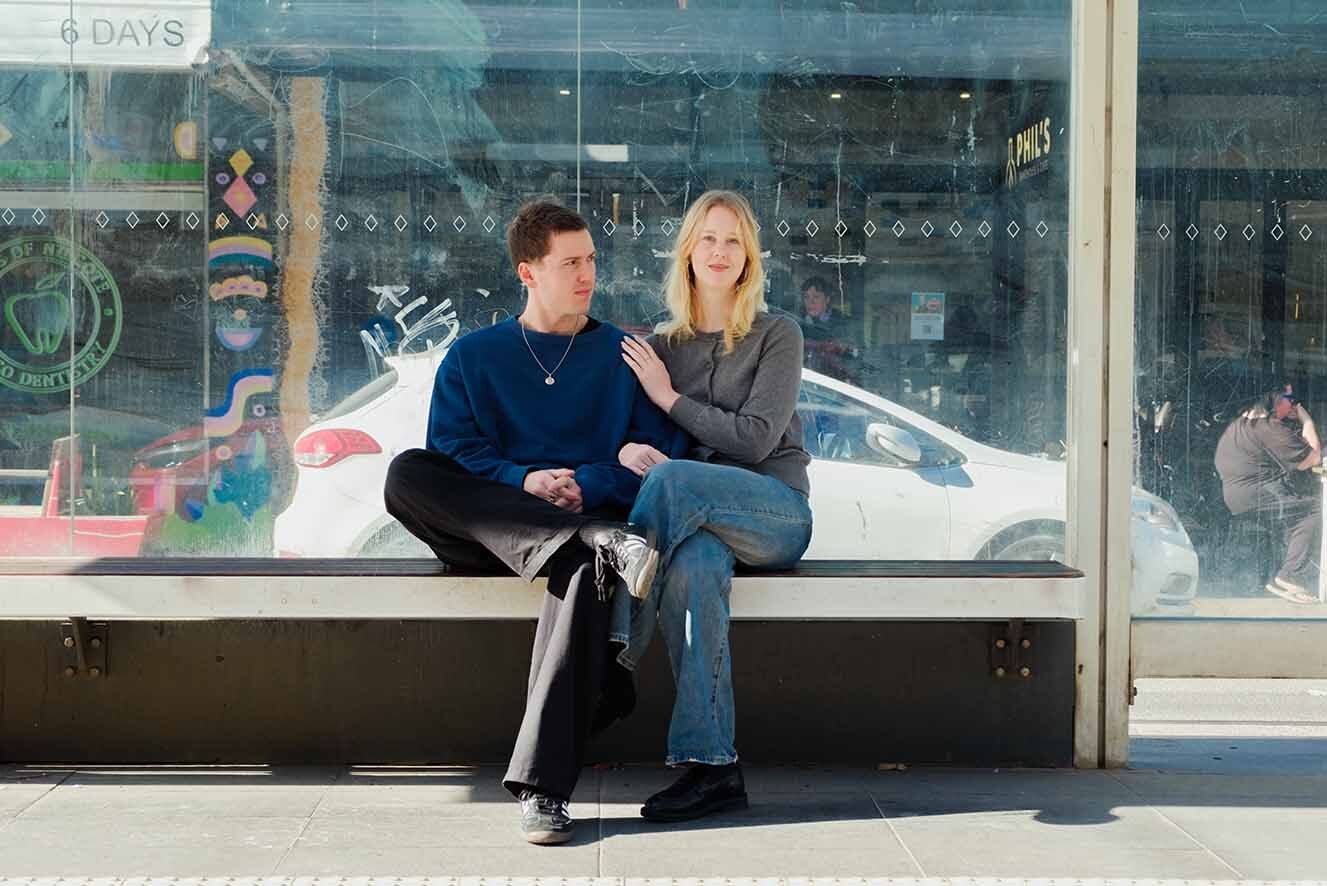
All these signals are telling you something is wrong, but they don’t tell you what to do next.
Sometimes the signals push us to react immediately, no matter what happens as a result, which rarely ends well.
But as we get better at dealing with emotions, the signals become an indication to pause.
Why Should You Pause When You Feel Big Emotions?
When your mind is racing and your emotions are all over the place, pausing gives you a chance to check in with yourself.
Ask yourself questions that will help you work out exactly what you’re feeling:
- Are you angry?
- Am I jealous?
- Am I feeling rejected?
- Am I feeling something else?
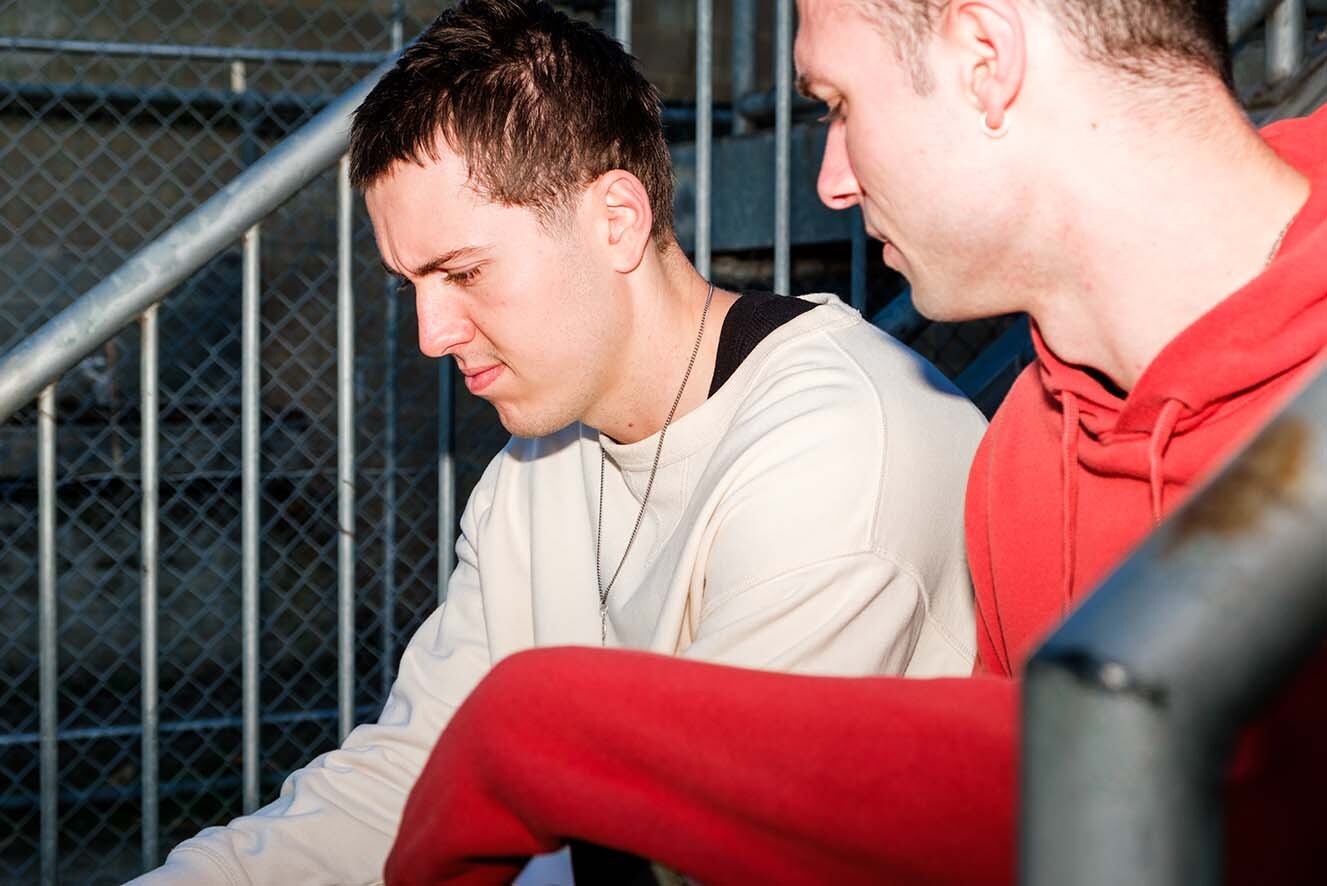
Answering that question and naming the emotion helps.
Getting specific about it can be extra beneficial, try and work through it using something like this:
‘I can feel this in my body. I think I’m feeling angry. I’m going to pause and stop before I do or say anything.’
By recognising what you're feeling, you give yourself a moment to choose what to do next.
Now you've paused, it's time to move to the next stage. It’s time to regulate.
Get tips on how to regulate your emotions through this link.