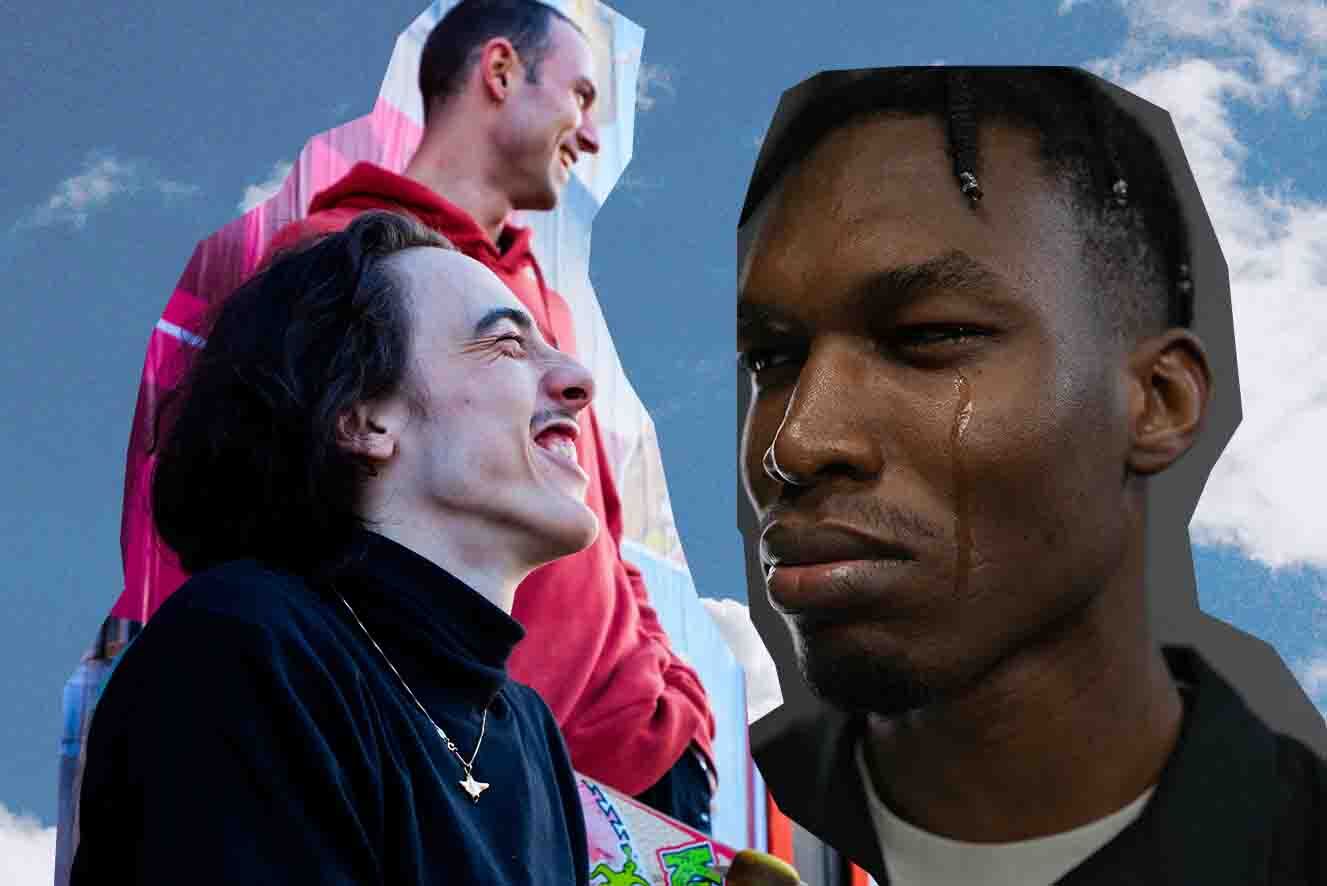
Tears are often seen as a sign of vulnerability, and vulnerability can be seen as a threat to some ideas of manliness and masculinity. But are they?
Why are they seen that way?
Throughout history, many dominant cultures have seen crying as an important human emotional response.
Why did that change?
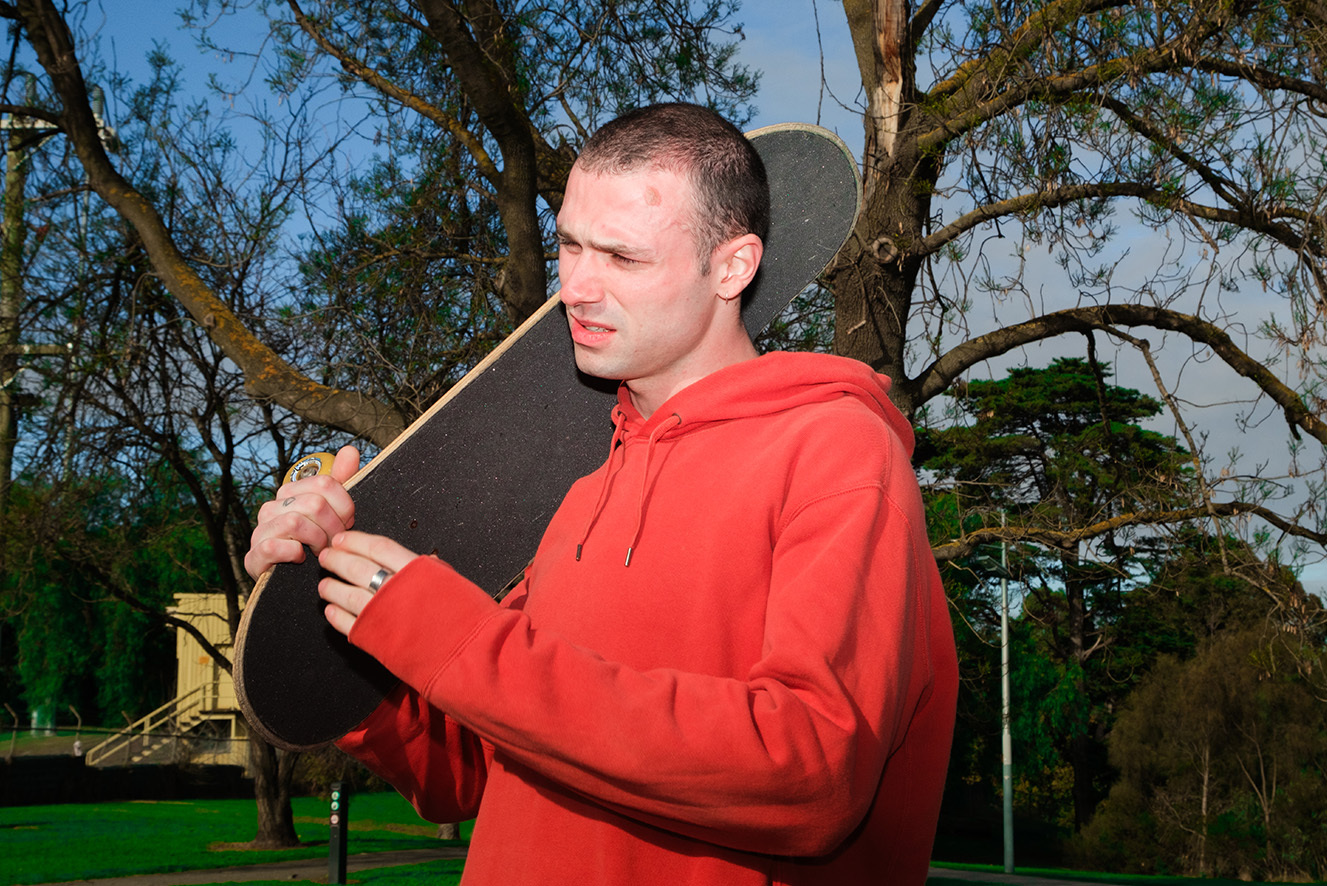
When did it start being cringe to cry?
From the Ancient Greeks through to Medieval Japanese and European Warriors, crying has been a sign of courage, passion, strength, understanding of the world, and pride.
It’s only more recently that we started saying, ‘boys and men don’t cry’.
Today, some people think the only time guys should cry is after a big sporting win or loss.
But those kinds of tears are just one type.
There are actually three different types (basal, reflex, and emotional), and humans are the only animals that produce the emotional ones.
Here are three questions that answer why it matters.
Does crying actually help you feel better physically?
The tears we produce in times of emotional pain or empathy contain literal painkillers.
That’s why people say they feel better after crying.
Emotional crying causes other physical effects , too.
Your heart rate increases
You sweat
Your breathing slows
You get a lump in your throat (known as the globus sensation)
This all happens because your sympathetic nervous system, also known as your ‘fight or flight’ system, is activated in response to the joy/sadness/empathy/distress you’re feeling.
Basically, your body starts physically responding when you feel big emotions.
Why does crying make other people want to help you?
You know how it’s normally really obvious when somebody has been crying?
They probably have puffy or red eyes, and their face might even look swollen.
You might even look at them and feel a little emotional yourself.
There’s science behind that, too.
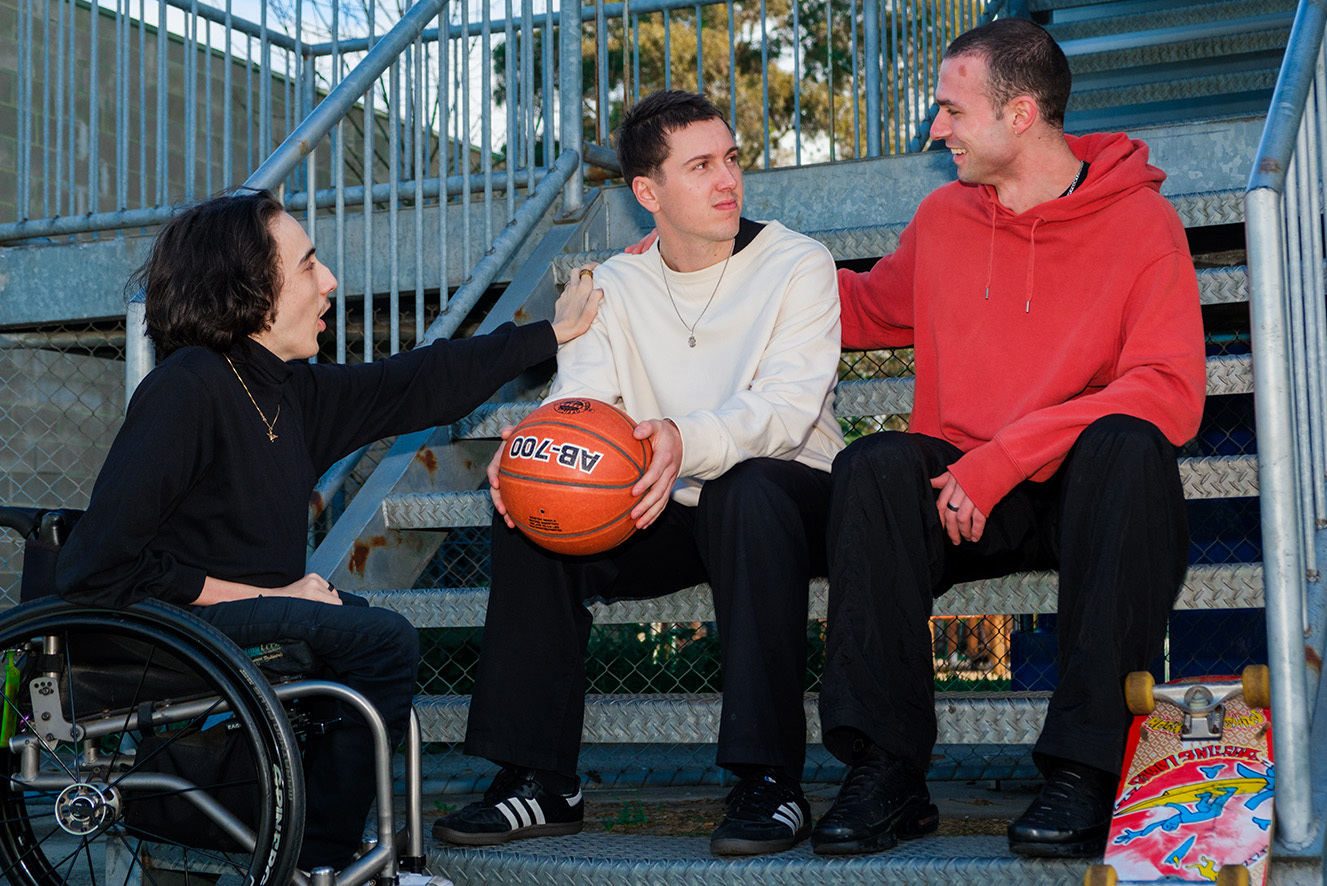
Noticing that somebody has been crying triggers an empathetic response from others, and they’ll be more inclined to check in on the person who has been crying.
Or maybe they’ll just give them a look that lets them know they’re not alone.
Either way, it helps people notice the hurt and pain (physical or emotional) the other person is feeling.
Often, that little bit of support is the biggest help in feeling better.
Is showing your emotions actually a skill?
Apart from all the good sciencey reasons for a sob, letting yourself cry means you’re aware of what’s going on around you and acknowledging how you feel about it.
It also shows you’re in tune with yourself and allows you to feel better.
Whereas holding back from crying and trying to keep those emotions bottled up can often make things worse.
That can contribute to mental health problems or lead to harmful behaviour towards yourself or others.
A lot goes into being the best version of yourself, and being able to feel and express your emotions is a big part of it.
What if I want to cry but can't?
That's more common than you'd think, especially if you've been told for years to hold it together.
Try giving yourself space, somewhere private, some music, a moment alone, and don't force it.
If you're consistently feeling numb or shut off from your emotions, it might be worth talking to someone about it.
Do guys actually cry less than girls, or is that just a stereotype?
Yeah, on average, but it's about conditioning, not biology.
Research shows women cry more often than men, largely because guys are taught from a young age that crying isn't 'manly'.
That doesn't mean guys feel less, it usually means they've learned to hide it (or been told to), which isn't the same thing as not needing to cry.
Whether it’s anger, hurt, frustration, fear, sadness, joy or a massive grand final win, you've gotta let yourself recognise (without necessarily acting on) all the emotions that come up for you.
For all those reasons you’ve just read about, and many more, there’s really no need to bury them.
The stereotype that men don’t cry is exactly that, a stereotype.
Feel what you need to feel, let yourself be happy and feel better, and cry when you need to.