

We all like to think of ourselves as good people, but the reality is, we’re all capable of stuffing up. So what do you do when that happens?
We don’t always knowingly bugger up, and it’s not always severe, but it’s still always worth acknowledging.
Mistakes can range from small and unintended to intentional and more hurtful. They can include:
- Forgetting something important
- Making an offensive joke
- Purposefully excluding someone
- Overstepping someone’s boundary
- Cheating on a partner
In an era of so-called ‘cancel culture’ and social media, it can feel like the moment you admit you’ve done wrong you risk opening yourself up to public shaming.
So, instead of owning it, a lot of us bury it, shove it down, avoid accountability, and try not to think about it at all.
In the short term, this feels easier.
Sure, avoiding discomfort is nicer than facing it head-on.
But left unaddressed, regret can eat us up from the inside and push us to turn one mistake into more.
It erodes trust, delays repairing relationships, and can worsen the impact of the original harm.
An important part of stopping that hurt from happening is really thinking about the mistake you made, taking accountability, and taking action to change things in the future.
What is and isn’t accountability?
Accountability Is Not
Getting defensive, dismissive, or putting the blame back on the other person by suggesting they made you do something to hurt them.
It’s also not making excuses or saying, ‘That’s not what I meant by that’.
When you’re feeling uncomfortable or exposed, it’s natural to want to push it away, because that’s easier than sitting with the reality that you’re capable of hurting someone you respect or love, but that doesn’t help us in the long run.
Accountability Is
Acknowledging that even if you didn’t mean to hurt someone, you still did, and it’s okay to apologise.
We all have the capacity to hurt people, even if we don’t realise we’re doing it.
Accountability Is Not
Lingering on self-hatred or spiralling into guilt.
While it can be a natural reaction and feels like you’re taking it seriously, staying in this space for a long time doesn’t repair the relationship, because it keeps the focus on you, instead of the impact you’ve had on someone else.
Shifting your uncomfortable feelings about your actions onto the person you’ve hurt in the first place can force them to discard their own feelings to support you.
Accountability Is
Your willingness to accept responsibility for your actions and words and the impacts they have on other people, and commit to not repeating the same mistakes.
Accountability Is Not
As simple as saying sorry and expecting immediate forgiveness. A true apology means you’re comfortable with the possibility of them not accepting it, needing more space, or maybe not wanting to keep the relationship at all.
Accountability Is
Genuinely apologising without just wanting to ease your guilt or make the situation better for you – that means you’re coming from a place of wanting to show respect for them, stick to your values and take responsibility.
Here’s what to do in the moment if someone tells you you’ve hurt them:
- Don’t interrupt someone – make sure they’re finished talking before you respond
- Ask for clarification if you need it, so that you’re both on the same page
- Really listen instead of planning your comeback
- Don’t get defensive, deflect it or shut it down
- Validate their feelings by repeating back to them what you heard and how your actions impacted them
- You can ask the person what they need – it might be space, a serious apology, or just a listening ear and acknowledgement
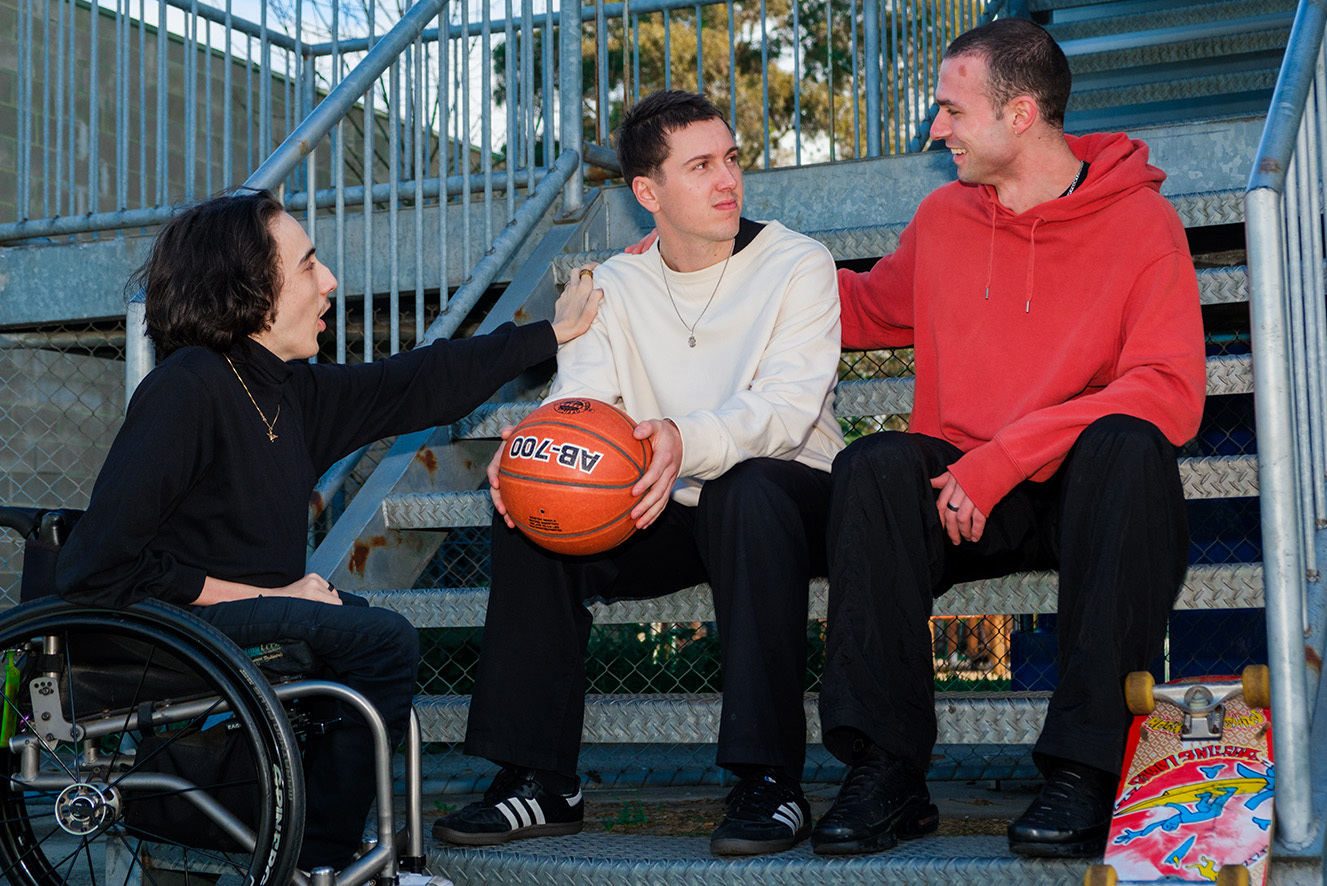
Taking accountability also means committing to doing better and using the learnings from the experience to not make the same mistakes again.
Maybe you’re realising patterns of behaviour that have hurt people. Ouch, but also, great!
Now you’ve got the information you need to better yourself and unlearn the attitudes that got you here in the first place. You can even use these new learnings to positively influence your friends and the people around you.
Opportunities like this are real turning points. They’re a chance to step back, reflect on our behaviour and grow.
If someone’s come to you with something serious, it’s a sign that they see you as someone safe enough to have an honest, sensitive conversation with, so meet them there.
There’s no one better to hold you accountable and be real with you than the people who actually want to see you do better.
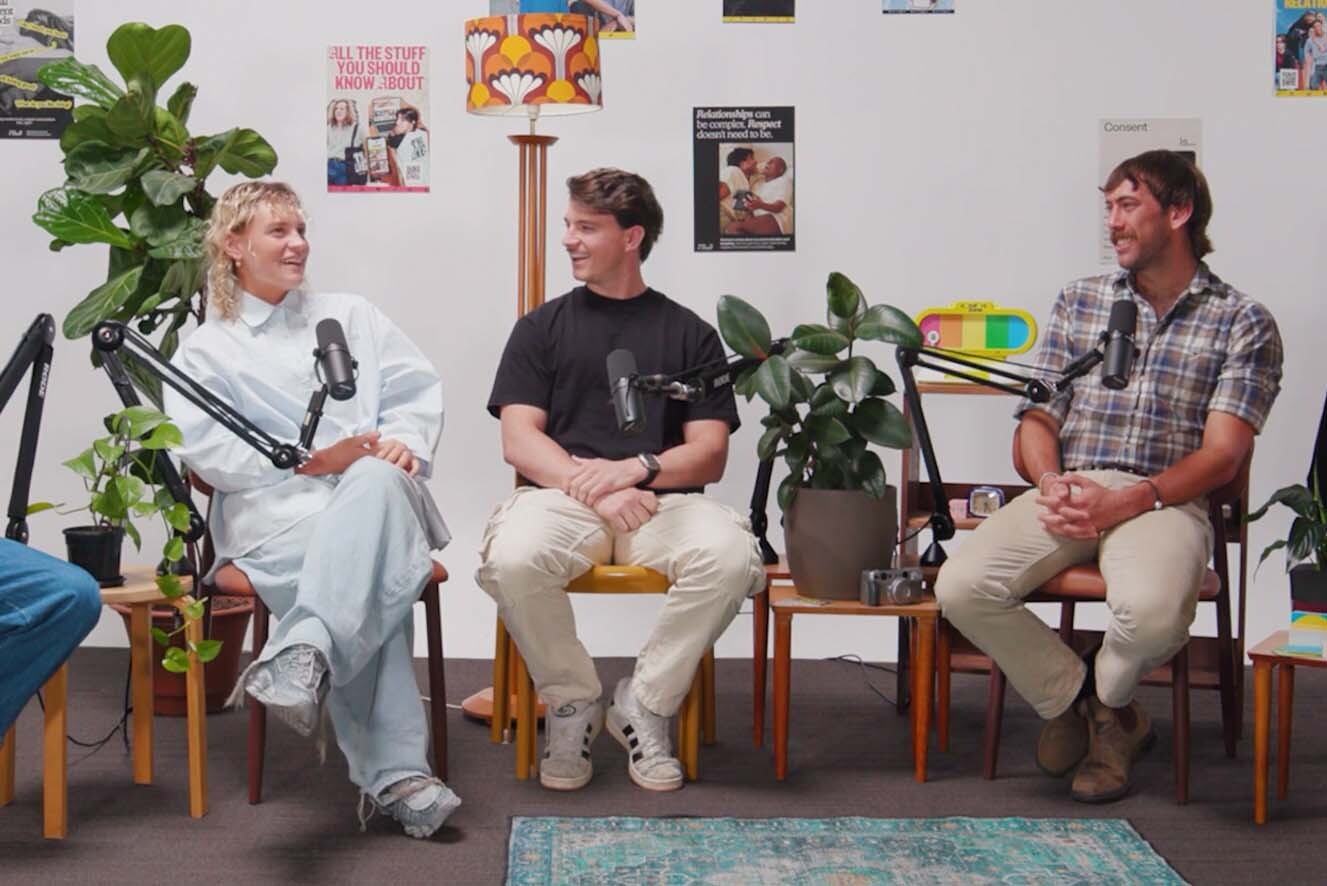
This article is part of a collaboration between Teach Us Consent and The Line called '... Now What?'
The collaboration explores the terrifying grey area between making a mistake and making amends, and how to get out of it.
For more, check out Teach Us Consent and The Line on YouTube, TikTok and Instagram.
If you need support for your relationship, help is available. Reach out to:
- 1800RESPECT.org.au online, on the phone 1800 737 732, or by text 0458 737 732
- QLife.org.au online or over the phone 1800 184 527
- 13Yarn.org.au online or over the phone 13 92 76
- Lifeline.org.au or over the phone 13 11 14