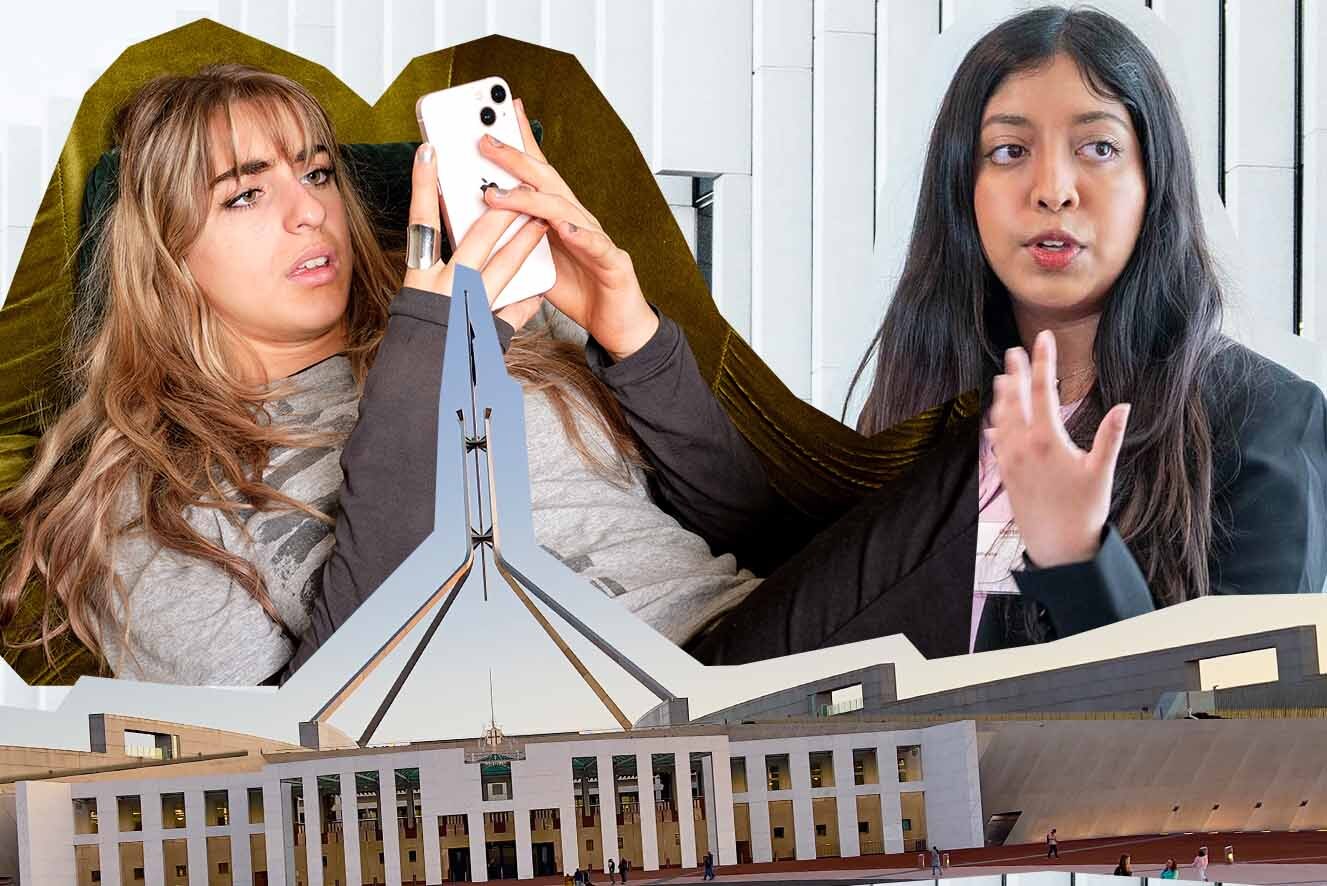
I went to Parliament House in Canberra to talk about the digital world and gender-based violence. Here’s what happened.
This article was written by The Line Creative Hub member Binusha P.
A few months ago, I received a call asking if I’d like to represent The Line in the Parliament of Australia to speak about how young people like me experience things like social media, AI, and online abuse.

Alongside AI, the manosphere and the social media ban for people under 16 were the most pressing issues I wanted to talk about.
So, without hesitation, I packed my suitcase and flew to Canberra, knowing I had some valuable insight to provide.
On my flight, I thought about how I wanted to talk about all of those topics in a way that encouraged everybody there to listen and maybe even make the space easier for young people like me. When would I have this chance again?
When I finally got up on stage, I felt super empowered to try and make a difference.
During our Q&A panel, we had the chance to discuss how content on social media platforms like TikTok, Instagram, YouTube, and Snapchat showed relationships.
Were they good examples to follow, or bad ones?

I shared my own perspective about how lots of the content was unhealthy, and how I often see media containing harmful relationship stereotypes instead of affirmative consent, for example.
Then I went into detail about how that has impacted me as a young person.
Here are 3 key points from the event I think should be spoken about more.
This Is What I learnt Speaking About Young People, And The Digital World At Parliament House
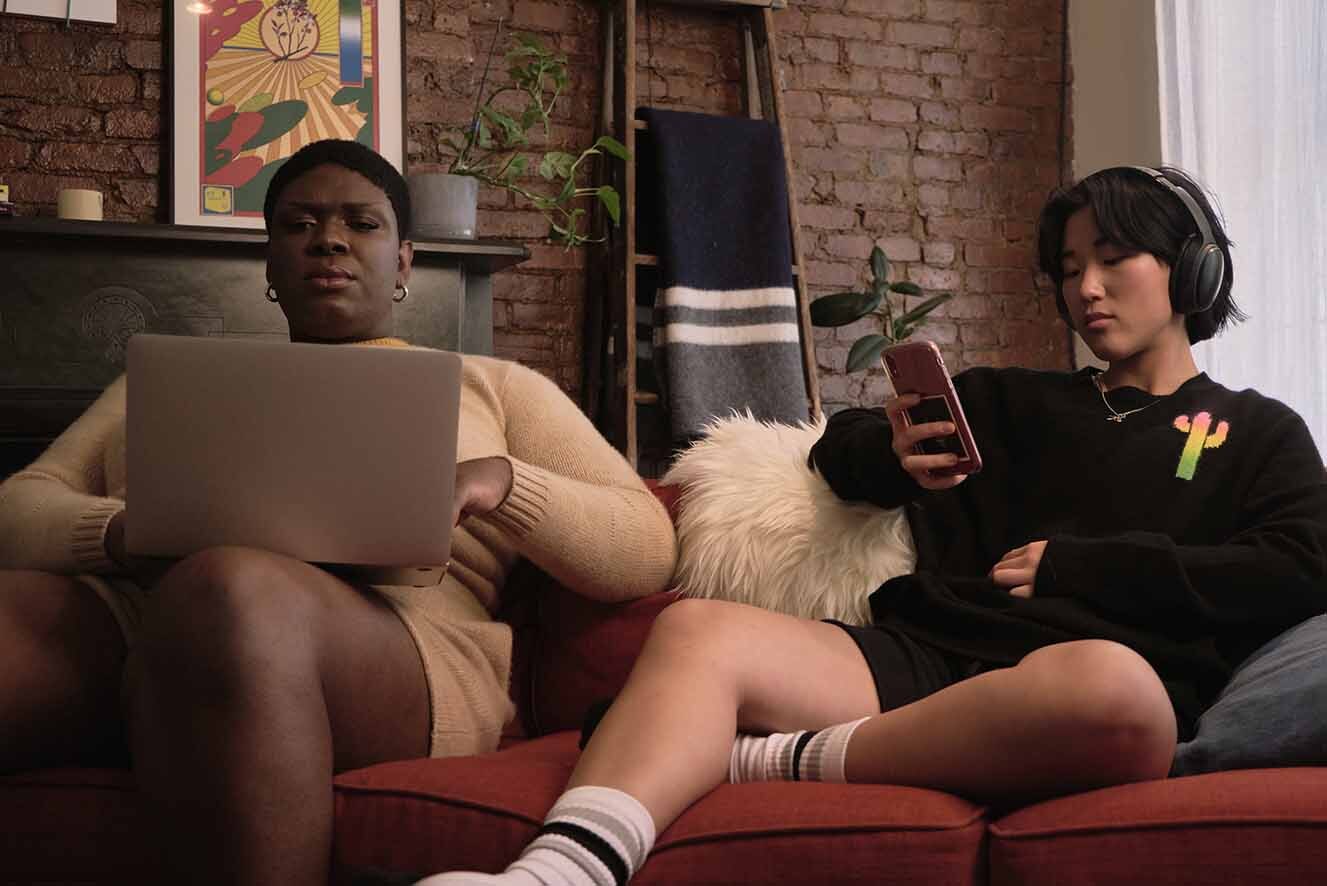
1. Young People Often Have A Tough Relationship With The Digital World
Sure, social media can be a great space to connect, advocate and create, but it also reinforces harmful stereotypes and disrespect.
Online spaces like the manosphere, which was a topic on everyone’s mind, are places where unhealthy masculinity and misogyny continue to be perpetuated.
And we talked about how AI is so influential on digital media, and how important it is to reduce harm caused by it through things like image-based abuse and deepfakes.
2. Places Like The Line Have Paved The Way For Supporting Young People Online
For change to happen, young people need to think and talk about these topics ourselves.
Places like The Line support us to build communities that can confidently and effectively challenge gender stereotypes and openly discuss the importance of things like image-based abuse, consent, ‘revenge porn’, etc.
We showcased some of the videos, articles and our website at Parliament House, which provide advice on what respectful relationships look like.
Check out this one I wrote which talks about talking to somebody you’ve got a crush on.
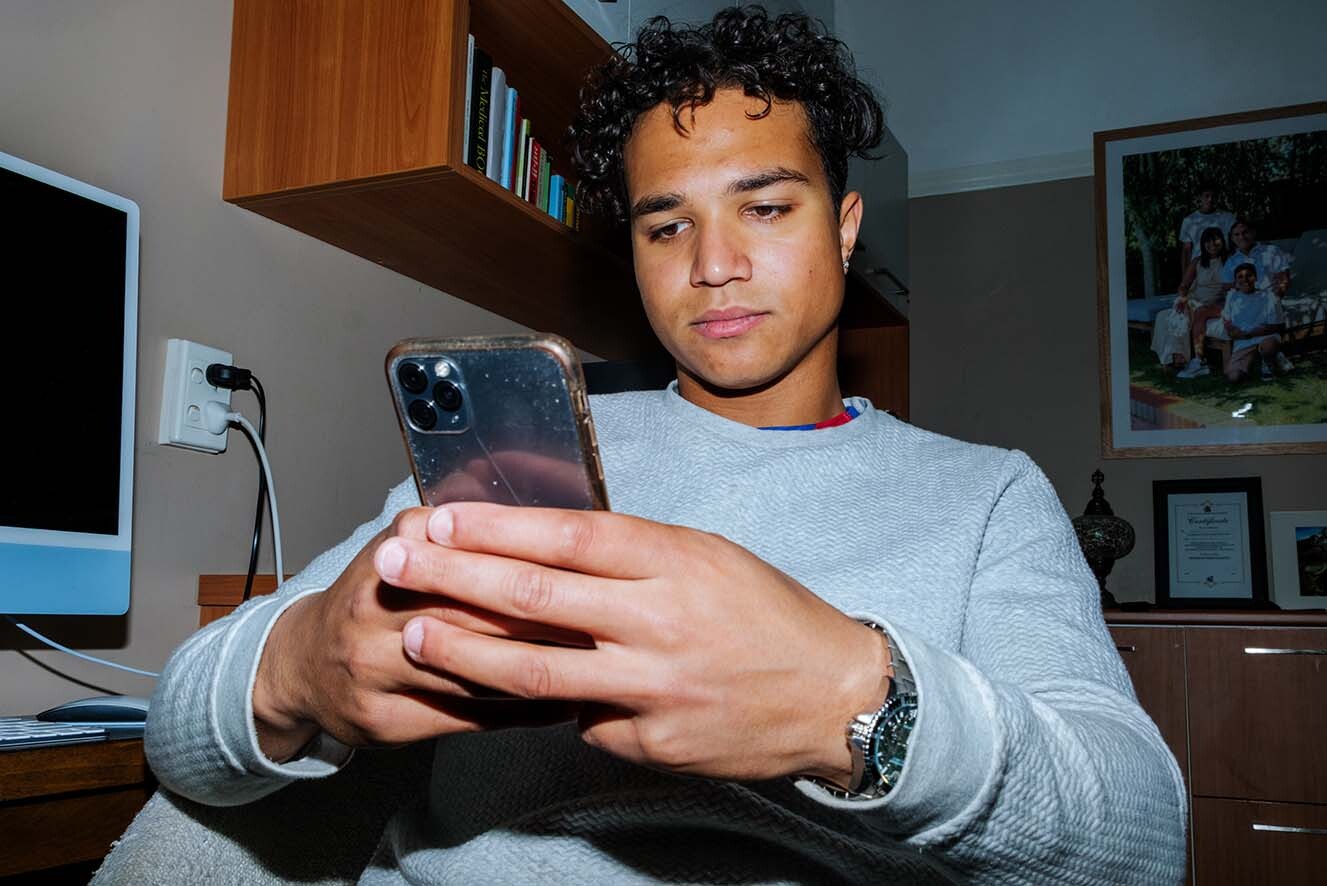
3. Working Together Is Crucial When Making Digital Spaces Safer For Young People
Through collaboration with the MPs, organisations like schools, and the public, it’s obvious that working together is the best way to create future content that prevents violence.
We ended our panel on a high note, inspiring all with the reminder that the insights of young people who will influence digital spaces in the future, and who are so impacted by them at the moment, are so important.
Reflecting after receiving that call, I’m so glad I said yes to speaking in Parliament and representing myself and The Line.
An incredible opportunity turned into a powerful way to try and help shape a digital future where respect guides our relationships both on and offline.